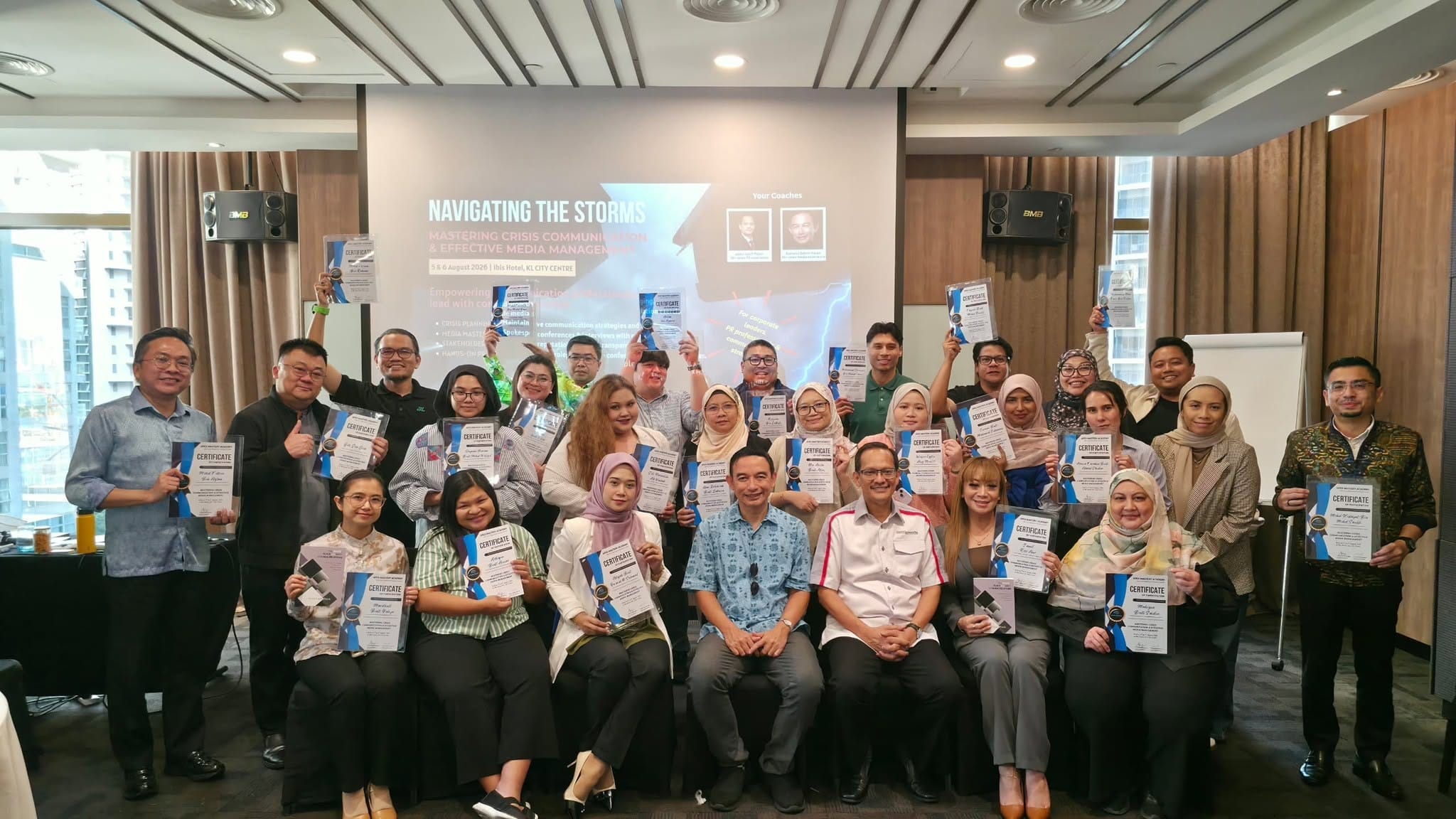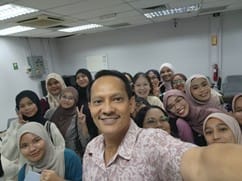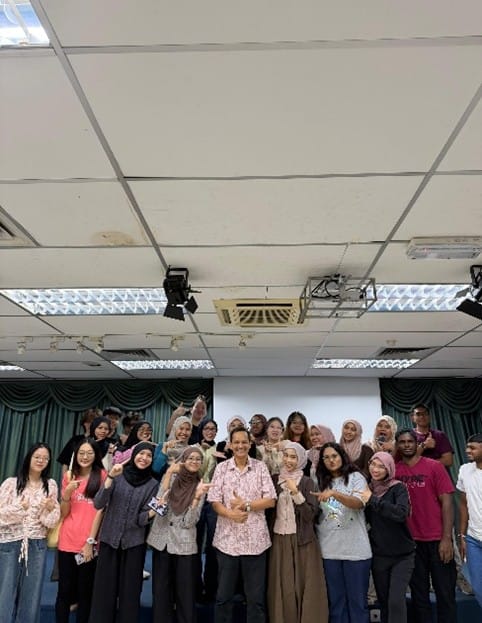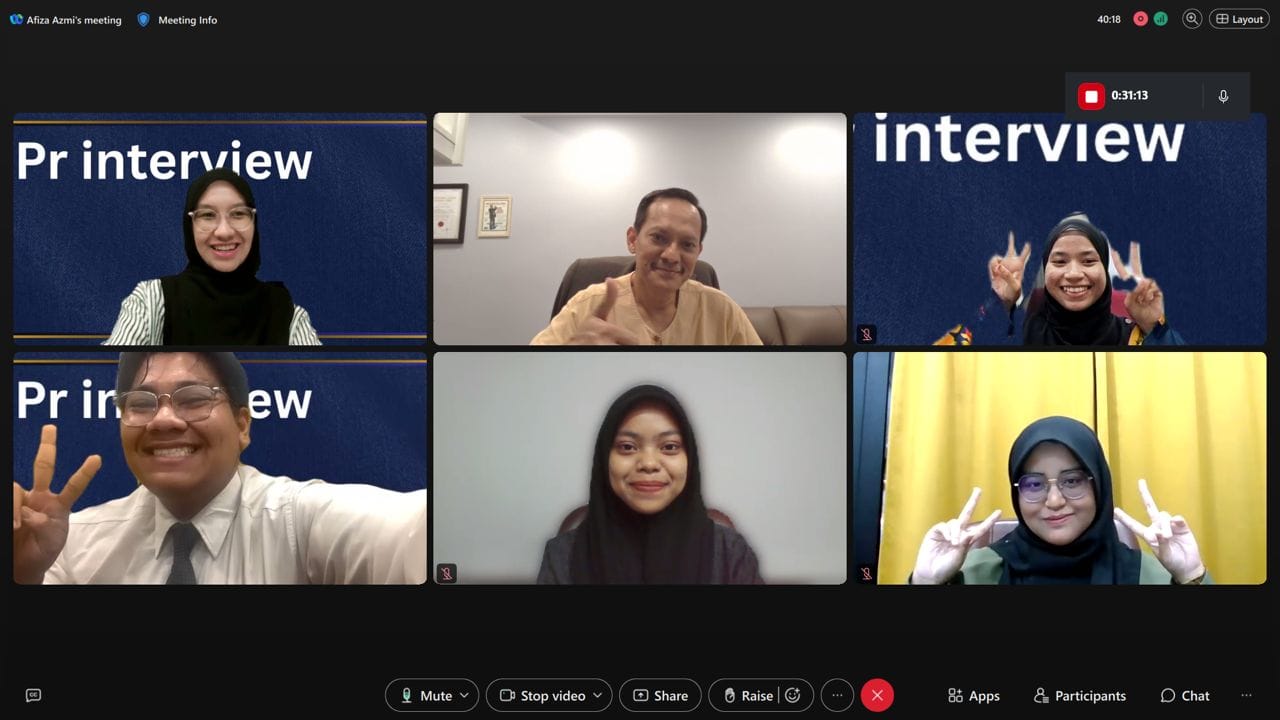


A classroom interview about career advice turned into a window on one of the profession's most pressing challenges, the quiet erosion of the very skills that make public relations work.
Last week, a group of communication students from Universiti Sultan Zainal Abidin (UniSZA) came prepared with sharp, purposeful questions. Pursuing their Bachelor’s Degree in Public Relations, they were completing a practitioner interview session as part of their Intro to PR subject, specifically tasked with understanding how a PR executive actually functions and what issues are shaping the profession today.
The questions were thoughtful, the discussion lively. But one question, simple on its surface, stayed with me long after the session ended.
Can you provide three tips for students of PR to excel in the profession?”
Simple as it sounds, a question like that carries weight. The answer reveals not just technique, but belief — what a practitioner of thirty-plus years actually thinks the profession is, what it demands, and where it is headed.
Three tips for the next generation
1. Master the craft of writing
Even in the age of digitalisation and AI, the ability to write well cannot be compromised. The critical thinking behind producing any communication material and the capacity to make it feel genuinely human rather than mechanically generated remains an irreplaceable advantage.
2. Build a full suite of soft skills
Technical competence alone is not enough. A wholesome PR practitioner is one who is technically sound and possesses a strong, distinctive personality, someone who outshines not by credentials, but by presence, empathy, and the ability to navigate people and situations with grace.
3. Never stop building knowledge
A PR practitioner must be able to consume information, analyse it, and produce materials continuously. This rhythm of intake and output only works when grounded in genuine knowledge. Curiosity and the commitment to keep learning are not optional extras, they are the engine of effective practice.
Notice what all three tips have in common: none of them are about software, platforms, or tools. That is not an oversight. It is a diagnosis.
Having spent more than three decades in the industry and having worked closely with numerous junior practitioners, a pattern has become difficult to ignore. The incoming generation is, by most measures, digitally fluent. They can navigate platforms, produce content at speed, and prompt AI systems with impressive efficiency. What concerns me is not their capability with tools. It is what may be getting quietly left behind.
There is a growing tendency to reach for digital and AI technologies to complete tasks that would benefit enormously from human analysis first. The habit of prompting a system to produce a solution, before the practitioner has sat with the problem, turned it over, understood its nuance is becoming normalised. The machine gets the question before the practitioner has properly asked it of themselves.
This matters because public relations, at its core, is about judgement. Which message fits this moment? Which relationship is at stake? What tone does this situation require? What does this stakeholder actually need to hear versus what they want to hear? These are not prompts. They are the work. And the answers do not emerge from a language model. They emerge from a practitioner who has built the knowledge, the empathy, and the professional instinct to navigate complex human terrain.
At the rate we are going, it looks like digital devices will one day take over the functions of “human PR.” Until we demonstrate otherwise, the over-reliance on digital and AI technologies will continue to be centre stage.
This is not, to be clear, a popular view. Many respected scholars and senior practitioners continue to argue, rightly, that the human element in PR can never truly be replaced. The ability to read a room, build authentic trust, manage a crisis with emotional intelligence, counsel a CEO under pressure: these things resist automation. The argument has merit, and I broadly agree with it.
But agreeing in principle is not the same as acting on it in practice. The profession cannot simply assert that humans are irreplaceable and then watch the next generation outsource their thinking to algorithms. The human element must be demonstrated, trained, and defended, actively, not rhetorically.
The UniSZA students who came to conduct that interview were, in fact, a source of genuine optimism. They came prepared. They asked real questions. They listened with purpose. That, too, is a form of “human PR,” the kind of engaged, thoughtful, person-to-person communication that no platform can replicate.
The question now is whether the profession can build enough of that spirit into how it trains, mentors, and develops its next generation. Writing well. Relating genuinely. Knowing deeply. These are not nostalgic ideals. They are the foundation upon which every effective communication strategy, however digitally delivered, ultimately rests.
The machines are impressive. But they are only as good as the thinking that guides them and that thinking still has to come from somewhere. It has to come from us.
Abdul Latiff Puteh
#WhiteAndAssociates #StrategicCommunication #PublicRelationsLeadership #IndustryAcademia #ProfessionalDevelopment #MicroCredentials #CommunicationProfession