

When Student Evaluations Speak… What Are They Really Measuring?
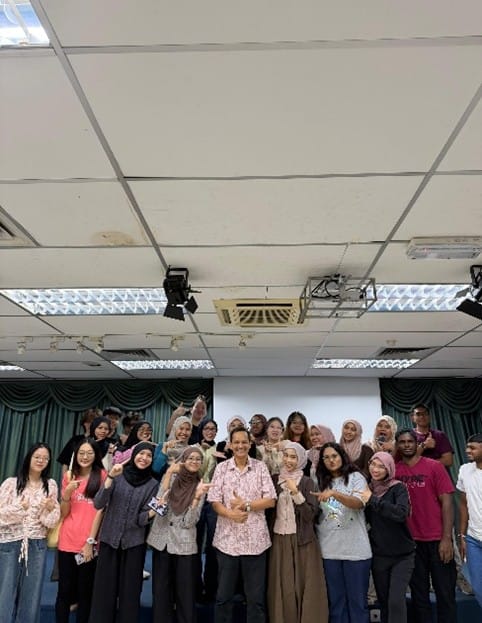
Recently, I received the teaching evaluation results for one of the courses I conducted at a public university. The course recorded an overall mean score of 4.44 out of 5 based on feedback from 25 students.
Alhamdulillah, I am grateful for the positive rating and for the encouraging comments from students who found value in the discussions and engagement during the semester. As educators, knowing that our efforts in the classroom have resonated with students is always a meaningful affirmation.
However, this experience also made me reflect on something deeper about student evaluations in higher education.
Over the years, I have taught in many universities, public as well as private. While some courses receive encouraging feedback like this one, others have produced significantly lower evaluations. Naturally, this raises an important question:
How objective are student evaluations of teaching?
In many cases, lecturers are evaluated immediately after a semester in which students may have been challenged academically, corrected in class, or even reprimanded for not meeting the expectations of the course. As educators, we sometimes have to insist on standards, question assumptions, and push students to think critically. These moments may not always be comfortable. Yet they are often necessary.
This leads to a question worth discussing within the academic community:
When students evaluate lecturers, are they assessing the quality of teaching or are they responding emotionally to the learning experience they just went through?
Student feedback is extremely valuable. It helps lecturers improve their teaching approaches, communication style, and classroom engagement. But at the same time, it is also important that students understand the purpose of such evaluations and approach them with rational reflection rather than momentary emotion.
Particularly in courses that require critical thinking, analytical reading, and intellectual discipline, the learning process can sometimes feel demanding. A lecturer who challenges students may not always be the most popular in the moment, but the long-term impact of that challenge is often what shapes stronger graduates.
This is why student evaluations should perhaps also be accompanied by guidance on how to assess teaching fairly and constructively.
Another dimension that deserves attention is how these evaluation scores are used by university management. In many institutions, student ratings are not merely feedback tools but are increasingly used as indicators when deciding whether a part-time lecturer’s contract should be renewed or discontinued. This raises an important question about proportionality and fairness. How much weight is actually given to these scores in determining whether a lecturer continues teaching or not? To full timers, how much of this influence their career development? Are they interpreted as one component among several indicators of teaching performance, or do they become the primary deciding factor? When evaluations are heavily influenced by students’ immediate reactions to challenging coursework, strict grading standards, or classroom discipline, relying too heavily on these numbers may not always reflect the true quality or long-term impact of the teaching provided.
Education is ultimately a partnership between lecturer and student. Both sides carry responsibilities:
- Lecturers must teach with clarity, integrity, and professionalism.
- Students must engage with the learning process thoughtfully and evaluate it with fairness.
To the students who participated in this evaluation, thank you for your feedback and for the discussions we had throughout the semester. Moments of disagreement, questioning, and debate are often where the most meaningful learning happens.
And to fellow educators, this remains an important conversation for all of us.
How should teaching be evaluated in a way that is both fair to lecturers and meaningful for improving learning?
Perhaps the answer lies in continuing to refine the process together.
#HigherEducation #TeachingAndLearning #AcademicLife #UniversityTeaching #StudentEvaluation #EducationMatters
Abdul Latiff Puteh