
Future communication professionals need the ability to think, analyse, question, adapt and exercise sound professional judgement..
Beyond Industry-Ready: What Should We Really Expect from Future Communication Professionals?
Producing industry-ready communication graduates requires more than preparing students for their first job. It requires developing professionals who can think critically, adapt to change and apply their knowledge to increasingly complex communication challenges.
This is why meaningful collaboration between academia and industry remains important.
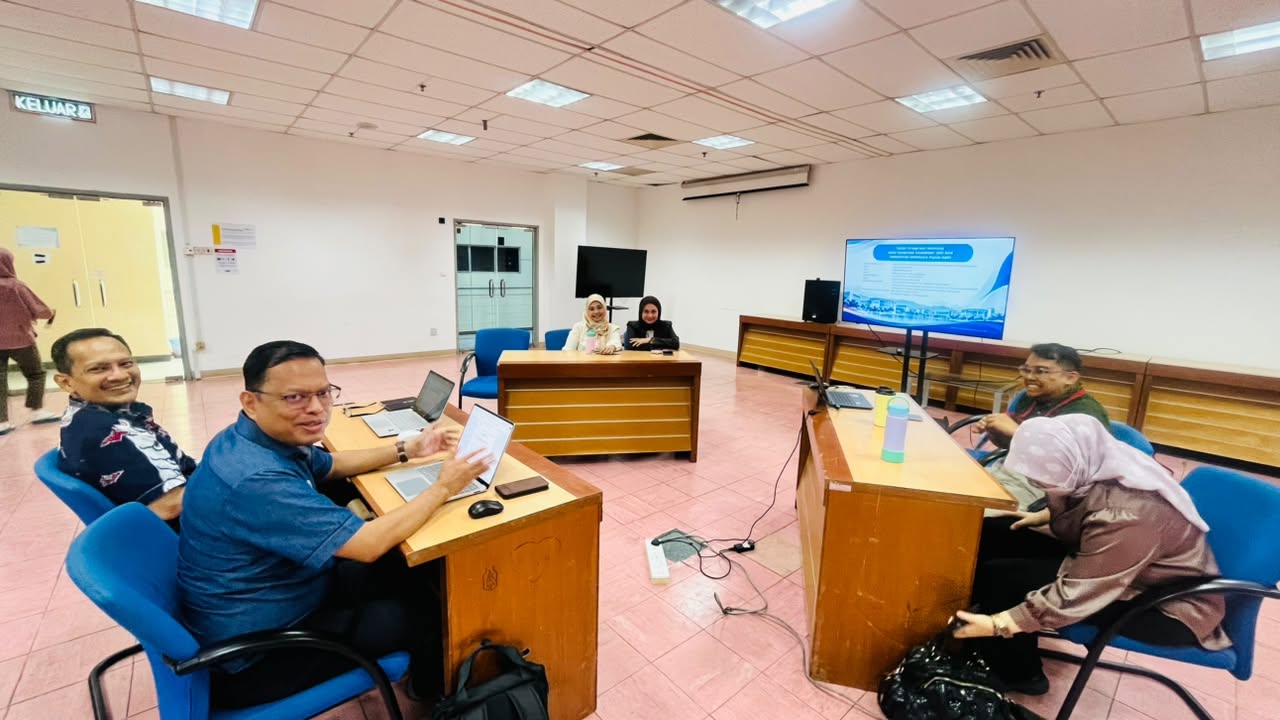
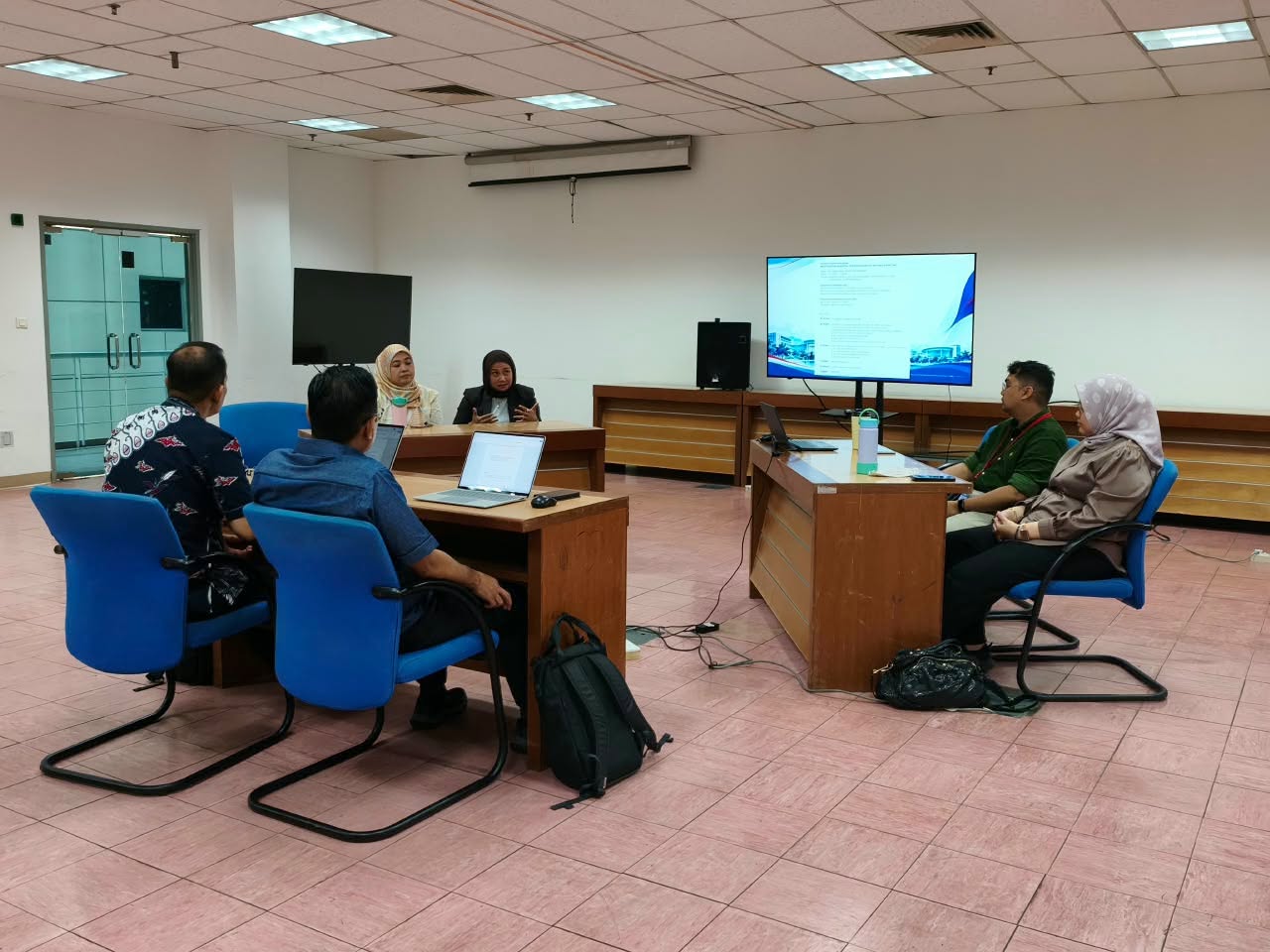
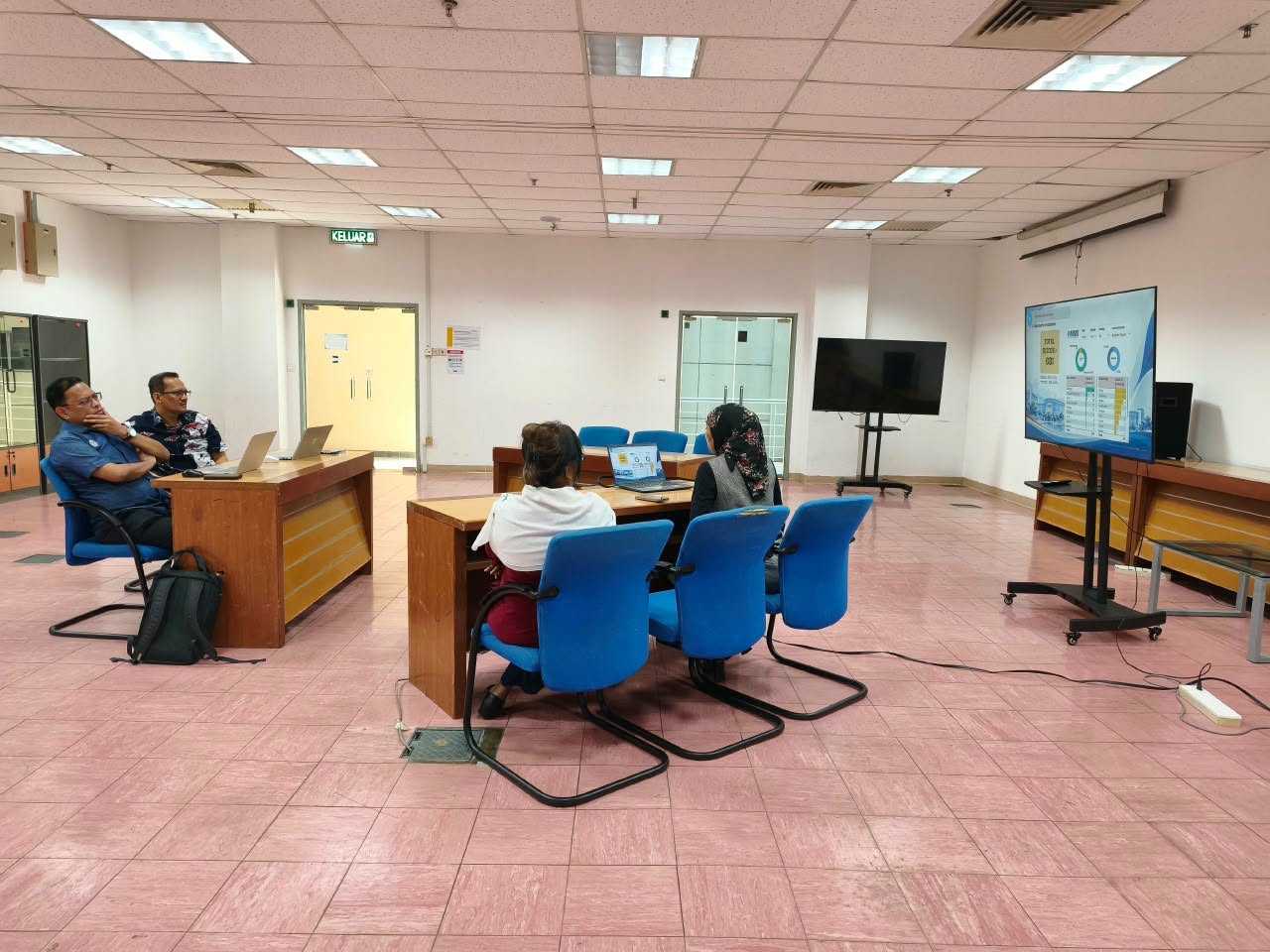
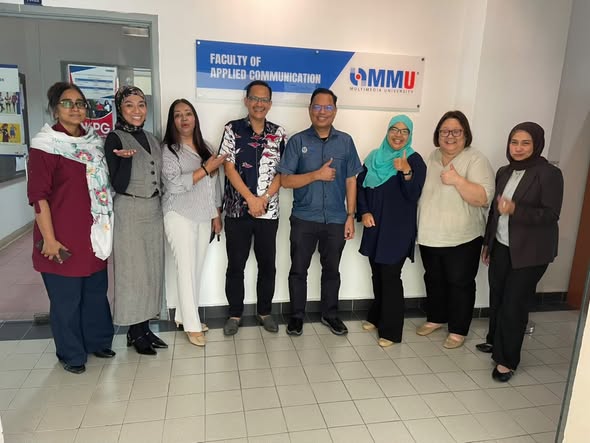
Recently, Abdul Latiff Puteh, Founder of White & Associates, participated in an External Examiner (EE) and Industrial Advisory Panel (IAP) engagement at the Faculty of Applied Communication (FAC), Multimedia University (MMU) in his capacity as an Industry Advisor for the Bachelor in Communication (Honours) (Strategic Communication) programme.
The engagement involved reviewing the degree programme, exchanging perspectives with academic staff and engaging with selected students.
Beyond the formal review process, the experience provided an important opportunity to reflect on a broader question facing communication education today:
How do we prepare graduates for a profession that continues to change?
Academic Quality and Industry Relevance
Universities have a responsibility that goes well beyond preparing students to perform specific workplace tasks.
A strong communication programme must provide students with theoretical knowledge, critical thinking abilities, research capabilities, ethical awareness and the intellectual foundation necessary to understand why communication works — or sometimes fails.
Industry, meanwhile, offers another important perspective.
Practitioners operate in environments shaped by changing stakeholder expectations, new technologies, evolving media behaviour, reputational risks and increasing demands on communication professionals to contribute strategically to organisational decision-making.
Bringing these two perspectives together can strengthen communication education.
The objective should not be for industry to dictate what universities teach, nor for academic programmes to simply replicate current industry practices.
Rather, the value lies in creating a meaningful exchange between academic rigour and professional relevance.
What Does “Industry-Ready” Really Mean?
The term industry-ready graduate is frequently used, but it deserves closer examination.
Being industry-ready should not simply mean knowing how to write a news release, manage social media platforms, prepare a presentation or organise an event.
These skills remain useful, but the expectations placed on communication practitioners are becoming significantly broader.
Today’s graduates are entering workplaces where they may eventually be expected to understand stakeholder behaviour, manage reputational issues, interpret data, work with artificial intelligence, navigate ethical dilemmas, advise management and communicate during periods of uncertainty.
Technical competence alone is therefore insufficient.
Future communication professionals need the ability to think, analyse, question, adapt and exercise sound professional judgement.
This is where a strong academic foundation becomes particularly important.
Industry practices will continue to change. Platforms will come and go. Technologies will evolve. Communication tools that are considered essential today may look very different several years from now.
The ability to think critically and apply communication principles across changing circumstances has much greater longevity.
Industry Has a Role to Play
Industry involvement can complement this foundation by helping academic institutions understand how the profession is evolving.
Practitioners can provide perspectives on emerging competencies, changing employer expectations, current communication challenges and gaps they observe among new entrants to the profession.
They can also help students connect what they learn in the classroom with situations they may eventually encounter in the workplace.
Industry advisory panels, programme reviews, guest lectures, professional sharing sessions, internships and collaborative projects can therefore provide valuable bridges between academic learning and professional practice.
But this relationship works best when it is genuinely collaborative.
Academics bring expertise in teaching, research, curriculum development and the systematic development of knowledge.
Industry practitioners bring professional experience, current practice and perspectives gained from dealing with real organisational and stakeholder challenges.
Neither perspective should operate in isolation.
Listening to Students Matters Too
An equally valuable part of the MMU engagement was the opportunity to hear from selected students.
Programme quality is ultimately experienced by students themselves.
Their perspectives can provide useful insights into how curriculum design, teaching approaches, assessments and practical learning opportunities translate into the actual student experience.
For industry representatives, these conversations also provide a better appreciation of the journey involved in developing a graduate.
Producing quality graduates is a process. It involves balancing academic standards, programme learning outcomes, professional competencies, student development and the realities of an industry that may change considerably during the years a student spends at university.
Understanding that complexity is important when industry practitioners are invited to contribute to academic programme development.
Developing Professionals for a Changing Communication Landscape
Strategic communication itself is changing.
Artificial intelligence is transforming how content is produced and information is analysed. Social media has altered the speed at which reputational issues develop. Stakeholders expect organisations to communicate more quickly and transparently. Crisis situations can escalate within minutes.
At the same time, communication practitioners are increasingly expected to demonstrate their contribution beyond communication outputs.
They need to understand organisations, stakeholders, reputation, risk and strategy.
Preparing graduates for this environment requires more than adding the latest industry trend to a syllabus.
It requires developing graduates with strong foundations who can continue learning throughout their careers.
This is perhaps one of the strongest arguments for sustained engagement between academia and industry.
Industry can help universities remain connected to changes taking place in professional practice.
Academia can ensure that graduates are equipped with something equally important: the intellectual foundation to understand, question and adapt to those changes.
Our Continuing Contribution to Communication Education
For White & Associates, contributing to the academic community forms part of our wider commitment to the development of the communication profession.
Our involvement goes beyond consultancy and professional training. We value opportunities to contribute industry perspectives to academic programme development, engage with educators and students, and share professional experiences that can help connect classroom learning with workplace realities.
The recent engagement with the Faculty of Applied Communication at MMU was another meaningful opportunity to contribute to this process.
Our appreciation goes to the Faculty for the opportunity to participate and for the open and constructive exchange of perspectives.
Ultimately, developing the next generation of communication professionals should not be viewed as the responsibility of universities or industry alone.
Academia builds the foundation. Industry brings the realities of practice. When both work together, we have a better chance of developing communication professionals who are not only ready for their first job, but prepared for a profession that will continue to evolve throughout their careers.
Abdul Latiff Puteh