
The public relations profession has embraced AI at a remarkable pace. Across organisations of all sizes, practitioners are discovering how AI can improve efficiency.
AI in Public Relations: The Real Challenge Is No Longer Adoption – It Is Responsibility
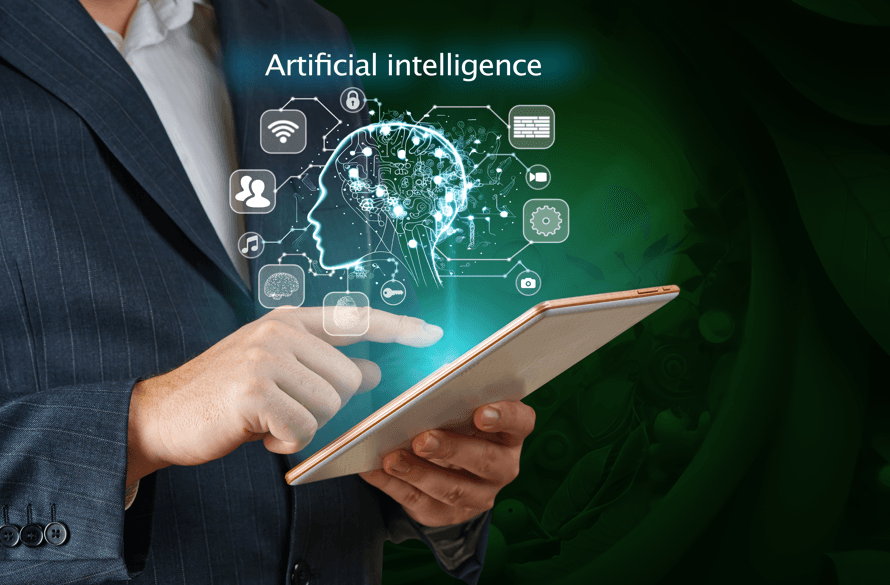
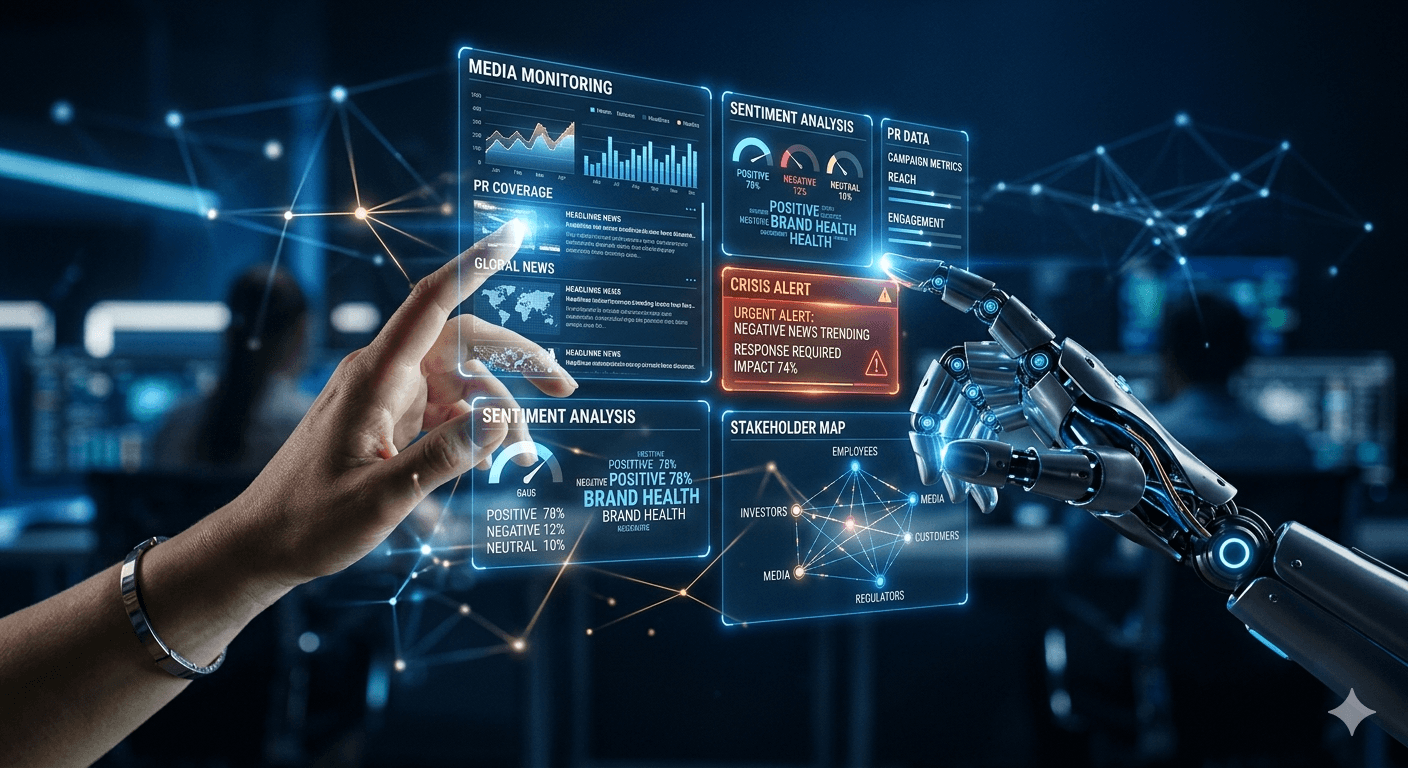
Artificial Intelligence (AI) has rapidly moved from being a futuristic concept to becoming an integral part of modern public relations practice. Today, AI-powered tools are increasingly used to support content development, media monitoring, stakeholder analysis, campaign planning, sentiment tracking, crisis communication, and strategic decision-making.
The public relations profession has embraced AI at a remarkable pace. Across organisations of all sizes, practitioners are discovering how AI can improve efficiency, enhance productivity, accelerate research, and support communication planning. The benefits are undeniable.
However, amid the enthusiasm surrounding AI adoption, an important question remains largely unanswered:
Are we paying enough attention to how AI is being used, rather than simply celebrating the fact that it is being used?
The conversation within the profession can no longer focus solely on technological capability. The more pressing issue today is responsibility.
The Validation Dilemma
One of the most common recommendations surrounding AI usage is that practitioners should always “validate” AI-generated content before using it.
While this sounds reasonable in principle, it raises a critical question:
What exactly does validation mean?If a junior communication practitioner relies on AI to draft a crisis statement, prepare media responses, analyse stakeholder sentiment, or recommend communication strategies, who determines whether the information generated is accurate, appropriate, ethical, and strategically sound?
Validation cannot simply mean checking grammar or correcting factual errors. Effective validation requires professional judgement, contextual understanding, industry experience, stakeholder awareness, and strategic thinking.
AI may generate content quickly, but it cannot fully understand organisational culture, political sensitivities, stakeholder relationships, reputational history, or the unintended consequences of communication decisions.
Without adequate human oversight, there is a real risk that practitioners may begin accepting AI-generated outputs simply because they appear convincing.
In public relations, convincing is not always correct.
The Governance Gap
Another issue receiving insufficient attention is organisational governance.
Many organisations are actively encouraging employees to use AI tools to improve productivity. Yet few organisations have established comprehensive frameworks governing how these tools should be used.
Questions that organisations should be asking include:
- Do we have clear policies on the use of AI in communication activities?
- Which AI platforms are approved for use?
- What information can and cannot be uploaded into AI systems?
- Are AI-generated materials subject to additional approval processes?
- Do employees understand the legal and ethical implications of AI-assisted communication?
- How do we ensure accountability when mistakes occur?
Without clear governance structures, organisations expose themselves to significant risks.
Employees may unknowingly upload confidential information into external platforms. AI-generated content may contain inaccuracies, bias, or misleading information. Different departments may use different AI tools, resulting in inconsistent messaging and communication practices.
Most importantly, when responsibility becomes unclear, accountability becomes difficult to establish.
The issue is not whether organisations should use AI.
The issue is whether organisations are prepared to govern it responsibly.
The Human Cost of Overreliance
Perhaps the most concerning challenge discussed within the profession is not technological—it is human.
AI is exceptionally effective at generating ideas, drafting content, summarising information, and providing recommendations. As these capabilities continue to improve, there is a growing concern that practitioners may become increasingly dependent on technology to perform tasks that once required critical thinking and professional judgement.
This concern is particularly relevant for younger professionals entering the industry.
Public relations is not merely about producing content. It involves understanding people, interpreting complex situations, anticipating stakeholder reactions, evaluating risks, exercising judgement, and making difficult decisions under pressure.
These capabilities are developed through experience, observation, reflection, and professional practice.
If practitioners begin relying excessively on AI-generated solutions without fully understanding the reasoning behind them, there is a risk that critical communication competencies may gradually weaken over time.
The profession must therefore ask itself:
Are we using AI to enhance professional capability, or are we allowing it to replace the very skills that define professional excellence?
Why Public Relations Remains a Human Profession
The public relations profession has always been built upon principles that technology alone cannot replicate.
- Trust.
- Credibility.
- Empathy.
- Ethics.
- Relationships.
- Judgement.
Stakeholder confidence is rarely earned through algorithms. It is earned through meaningful engagement, transparency, accountability, and authentic human interaction.
Similarly, crisis communication is not simply about producing the fastest response. It is about understanding human emotions, assessing consequences, managing perceptions, and making sound decisions under uncertain circumstances.
These responsibilities cannot be outsourced to technology.
AI can support the communication process.
It can improve efficiency.
It can provide valuable insights.
It can help practitioners work smarter.
But it cannot assume professional accountability.
Does the Profession Need Global AI Standards?
As AI becomes increasingly embedded within communication practice, another important question emerges:
Will there eventually be an international body responsible for establishing guidelines, standards, or controls governing the use of AI in public relations?
The profession already operates within established ethical frameworks developed by organisations such as the Global Alliance for Public Relations and Communication Management, the Chartered Institute of Public Relations (CIPR), the Public Relations Society of America (PRSA), and various national professional bodies.
However, AI introduces new challenges that traditional ethical codes were never designed to address.
Issues such as algorithmic bias, transparency, disclosure, accountability, data privacy, intellectual property, and human oversight may require more specific guidance and governance structures in the years ahead.
Whether such a global framework eventually emerges remains uncertain.
What is certain, however, is that the conversation can no longer be postponed.
The Future Will Belong to Responsible Practitioners
AI will undoubtedly continue to transform public relations.
The technology will become faster, smarter, and more sophisticated.
The question facing the profession is not whether AI will shape the future of communication.
It already is.
The more important question is whether communication professionals will develop the governance structures, ethical standards, and professional discipline necessary to ensure AI serves the interests of organisations, stakeholders, and society responsibly.
The future of public relations will not belong to those who use AI the most.
It will belong to those who use it most responsibly.