
A crisis is never just about managing what happened. It is also about managing what happens next.
The real test of crisis communication does not begin when an organisation writes its first statement or when the media starts calling. It begins much earlier with how well communication is positioned, prepared and integrated into organisational decision-making.
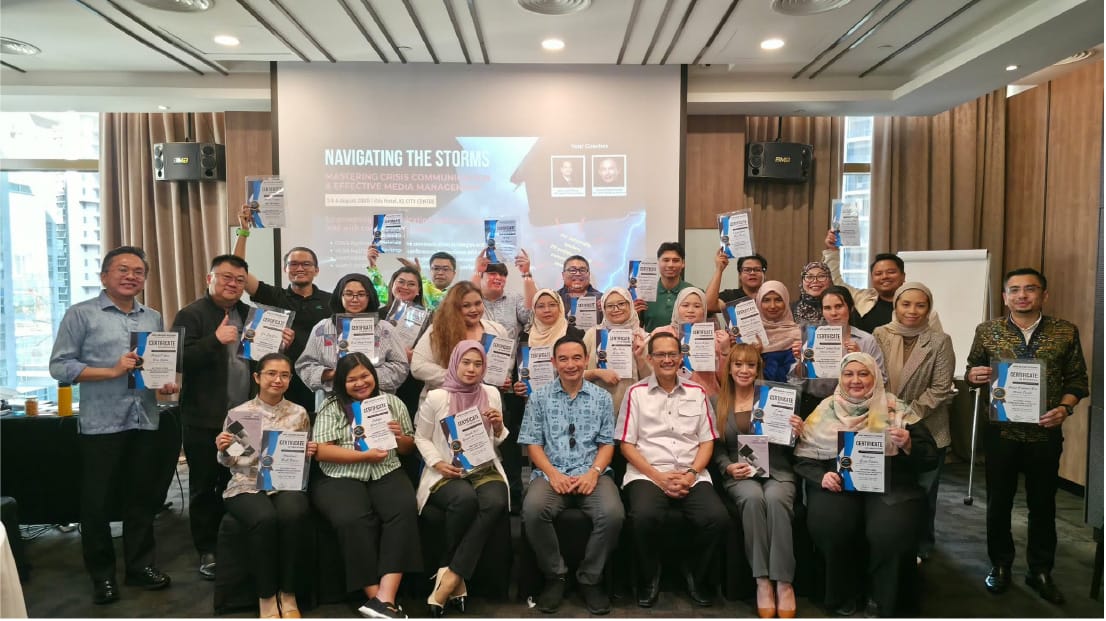
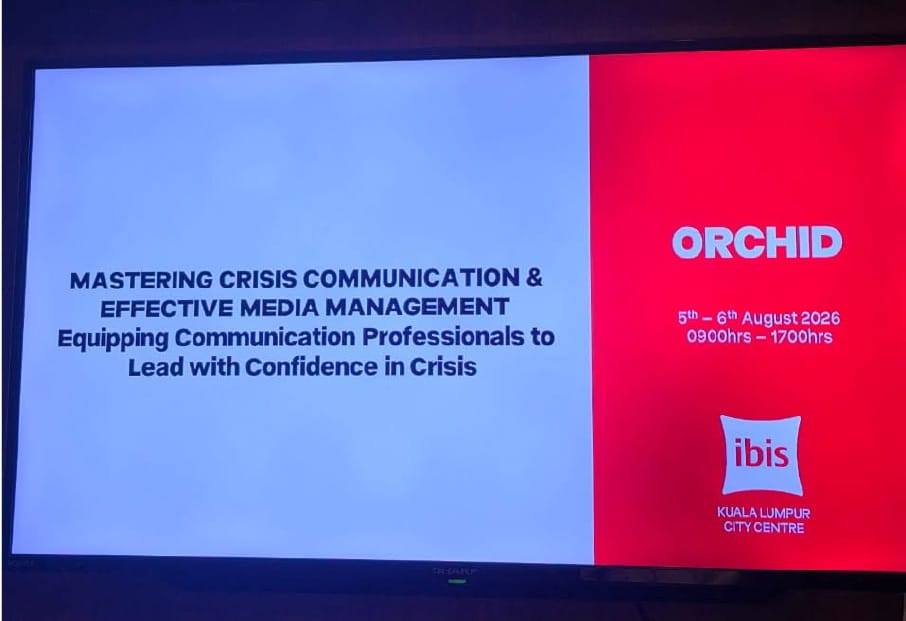
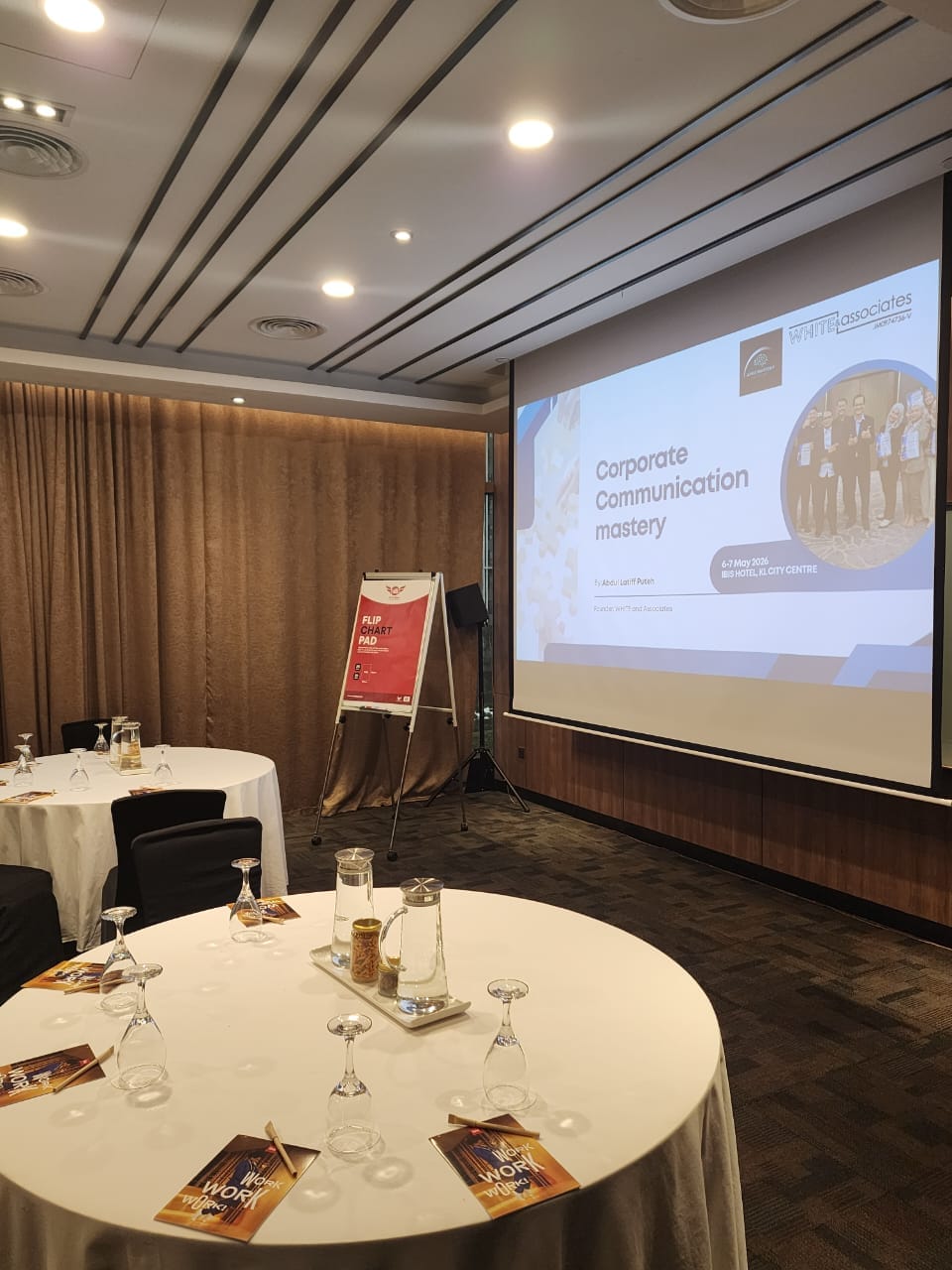
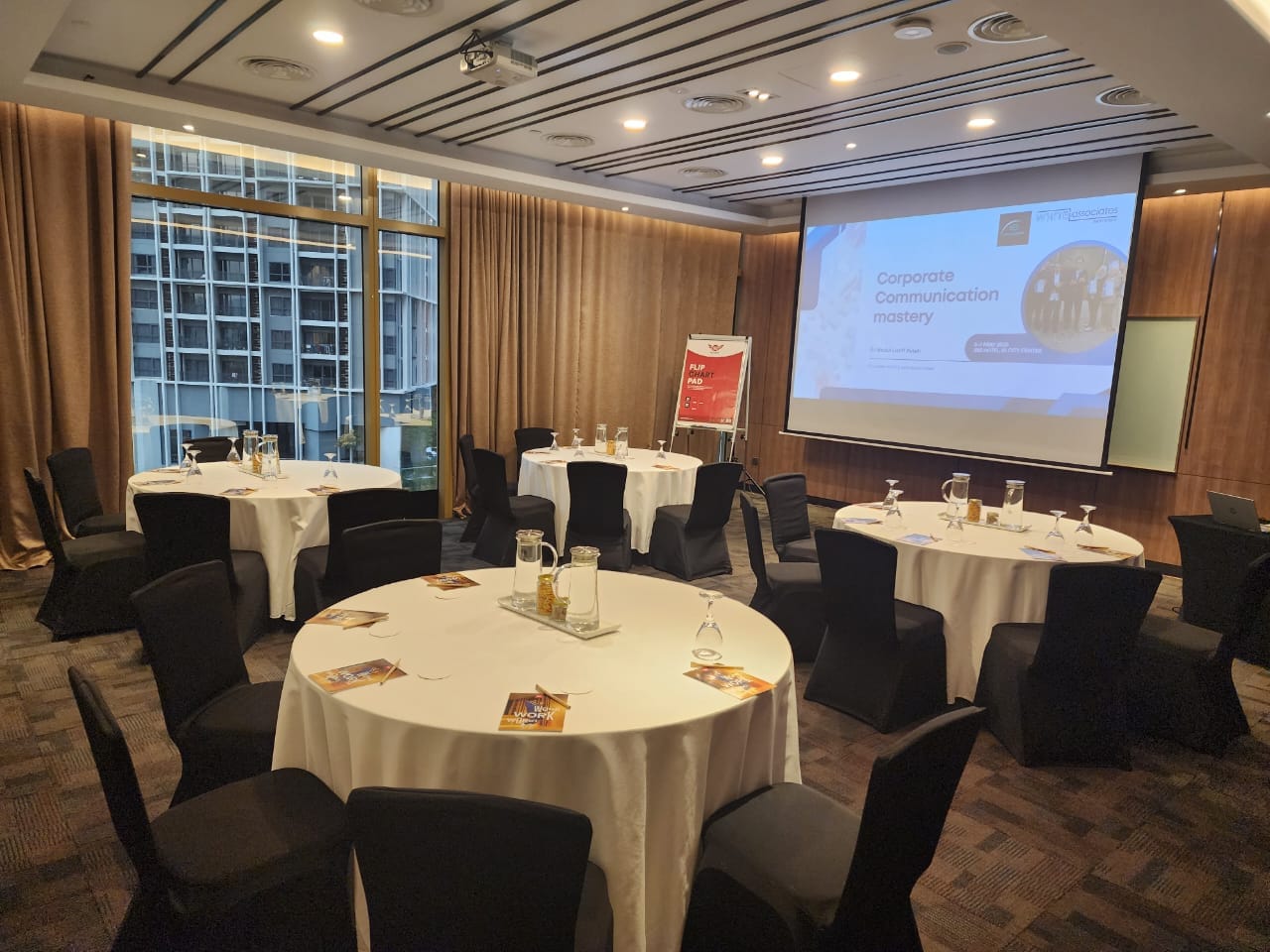
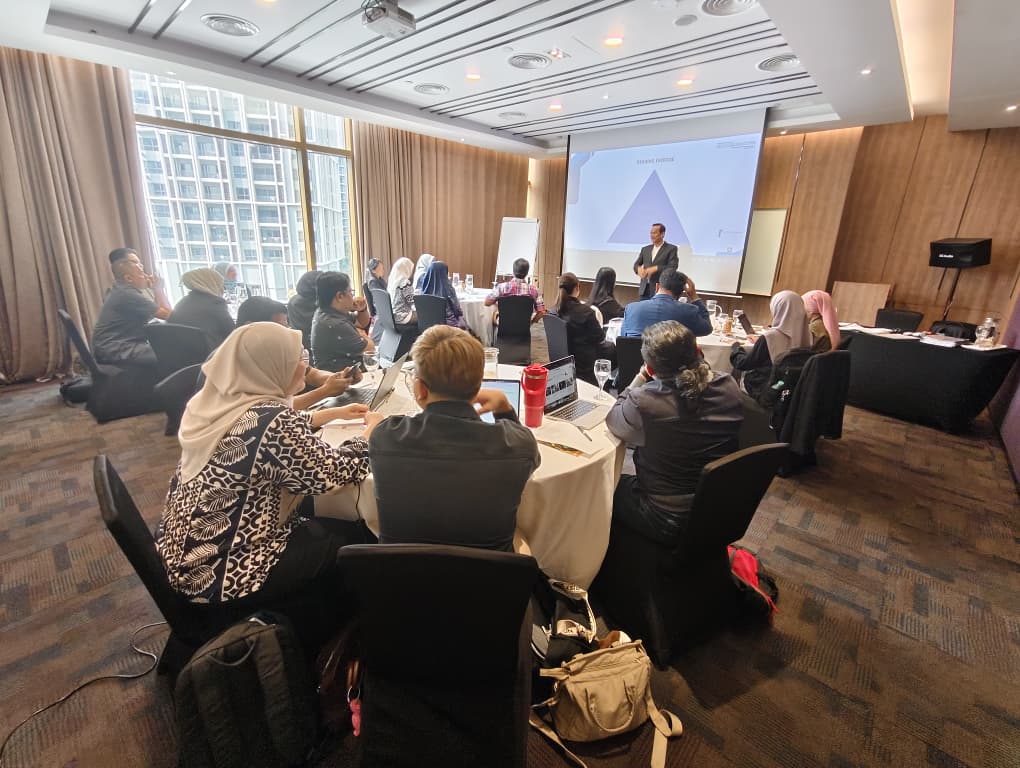
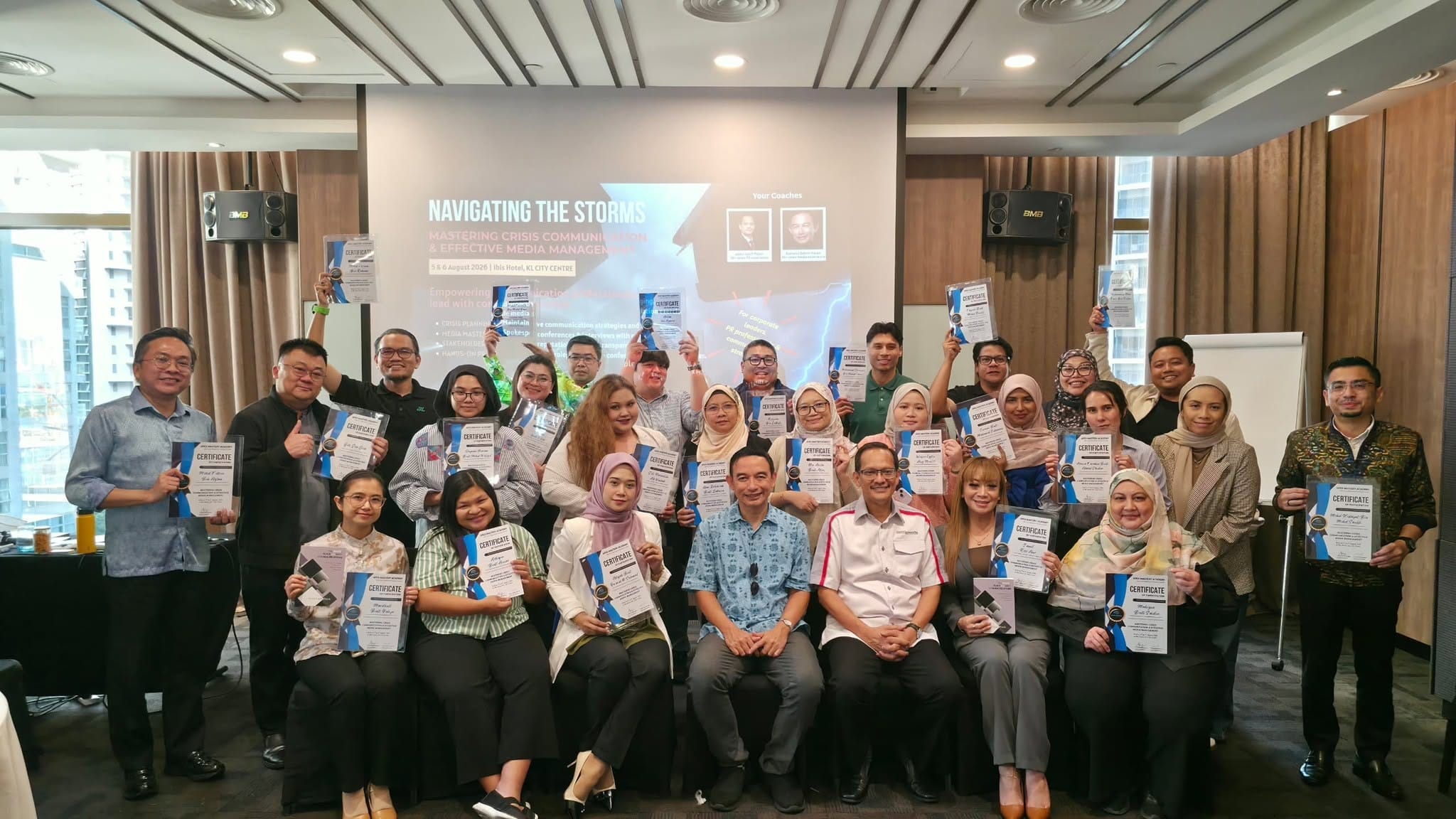
This was one of the key messages we wanted to bring into the two-day “Navigating the Storms: Mastering Crisis Communication & Effective Media Management” programme conducted by White & Associates together with veteran media professional Kamarul Bahrin Haron.
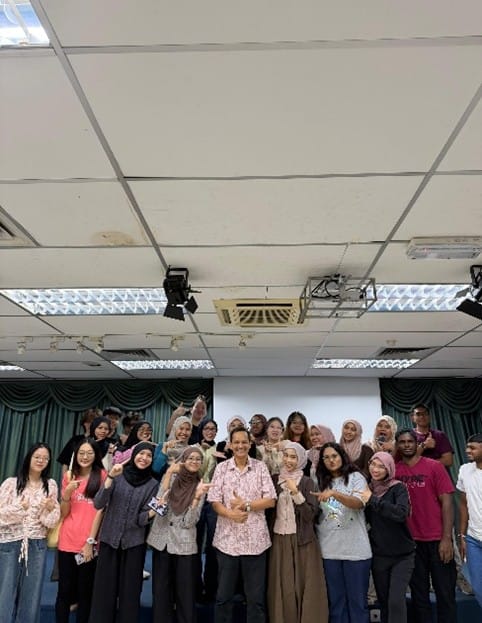
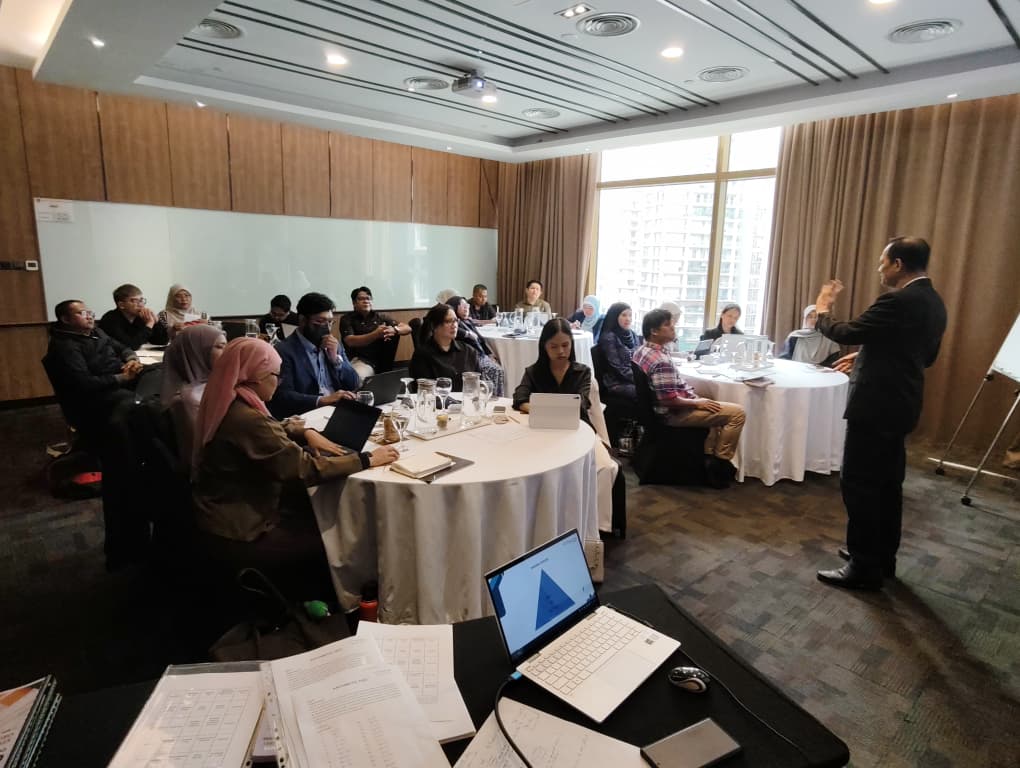
The programme brought together 30 communication professionals to examine an important reality of crisis management: when a crisis occurs, organisations are often fighting two battles simultaneously.
There is the operational crisis — the actual incident that needs to be resolved. And then there is the communication crisis — what stakeholders believe is happening, how quickly information reaches them, whether they trust the organisation and how they respond.
An organisation may be working extremely hard behind the scenes to resolve the operational problem. But if stakeholders do not understand what is happening, misinformation fills the information vacuum, different parts of the organisation communicate conflicting messages, or leadership appears absent, the communication crisis can quickly become as damaging as the original incident.
This is why crisis communication cannot begin when the media calls.
Preparedness Is More Than Having a Crisis Manual
Many organisations have crisis communication plans. Some have holding statements, contact lists and communication templates ready. These are important. However, having a manual is not the same as being prepared.
True preparedness requires a clearly identified crisis communication team, defined roles and responsibilities, escalation procedures, stakeholder mapping, workable communication protocols and regular training.
More importantly, everyone involved needs to understand how these elements come together when a real incident occurs.
A disciplined crisis communication process should enable the organisation to verify facts, assess and classify the crisis, activate the appropriate team, identify affected stakeholders, develop and approve key messages, communicate through the right channels, monitor stakeholder and media responses, and continue providing updates as the situation develops.
These were among the areas explored during the first day of the programme, alongside crisis governance, crisis communication frameworks and the development of practical communication templates that can actually be used when pressure is mounting. The emphasis was deliberately placed on workability.
A beautifully written crisis manual has little value if people do not know how to use it when information is incomplete, decisions have to be made quickly and stakeholders are demanding answers.
The Other Side of Crisis Management: Managing the Media
The second day moved into an area that deserves equal attention in crisis preparedness: effective media management. We deliberately dedicated an entire day to this because managing the incident itself is only one part of the challenge.
When a crisis attracts public attention, journalists become an important channel through which stakeholders understand what has happened and what the organisation is doing about it.
This makes the relationship between the organisation and the media particularly important. Kamarul brought an invaluable perspective to this discussion: the view from inside the newsroom.
Drawing on his extensive experience across journalism, broadcasting and editorial leadership including his former role as Editor-in-Chief and prime-time host at Astro Awani, he helped participants understand how journalists and editors assess information, what makes information newsworthy and credible, and why timely, clear and usable information matters during a crisis.
For organisations, there is an important lesson here. Journalists covering a crisis need information. If credible information is not available from the organisation, they still have a story to report. They will therefore look elsewhere and these can be witnesses, employees, social media, experts, regulators, affected stakeholders and other sources.
The information vacuum does not remain empty for long. The question is whether the organisation will help shape understanding of the situation by communicating credibly and promptly, or allow others to define the narrative in its absence.
A Spokesperson Needs More Than Talking Points
Effective media management also requires organisations to rethink how they prepare spokespersons. Spokesperson preparation should never be reduced to memorising three key messages and repeating them regardless of the question.
A credible spokesperson must understand the situation, anticipate difficult questions, recognise stakeholder concerns, communicate complex information clearly and remain composed when challenged. Most importantly, spokespersons need practice.
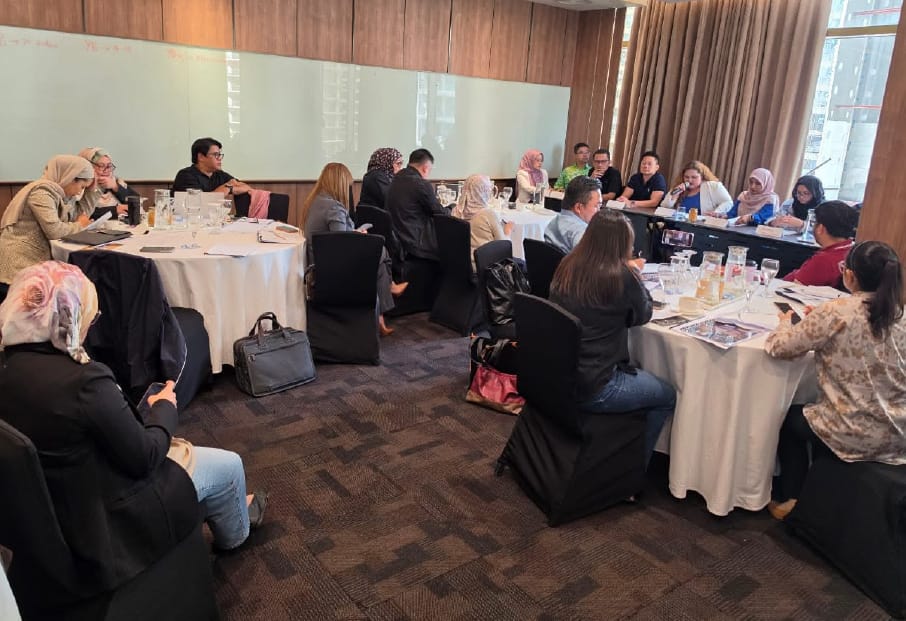
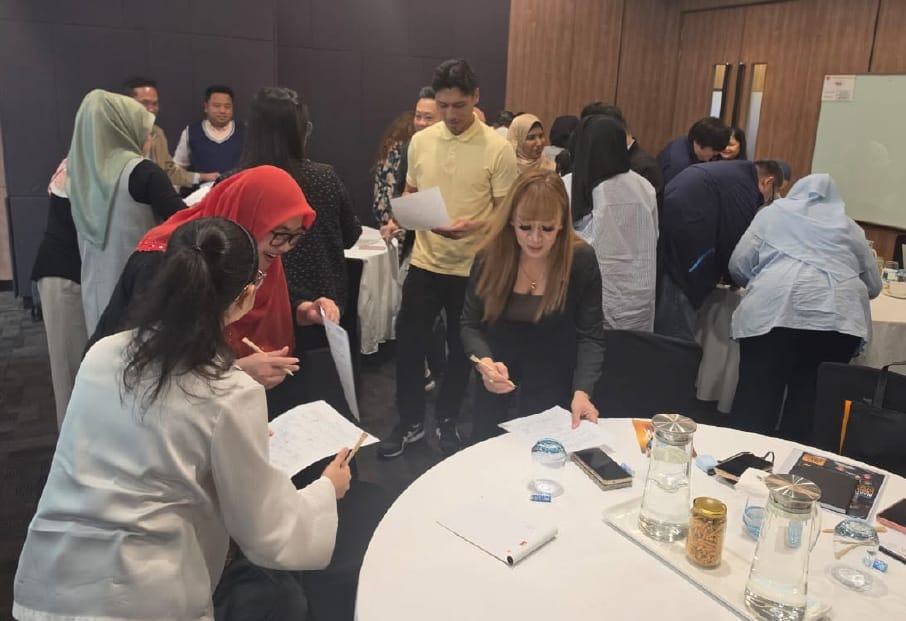
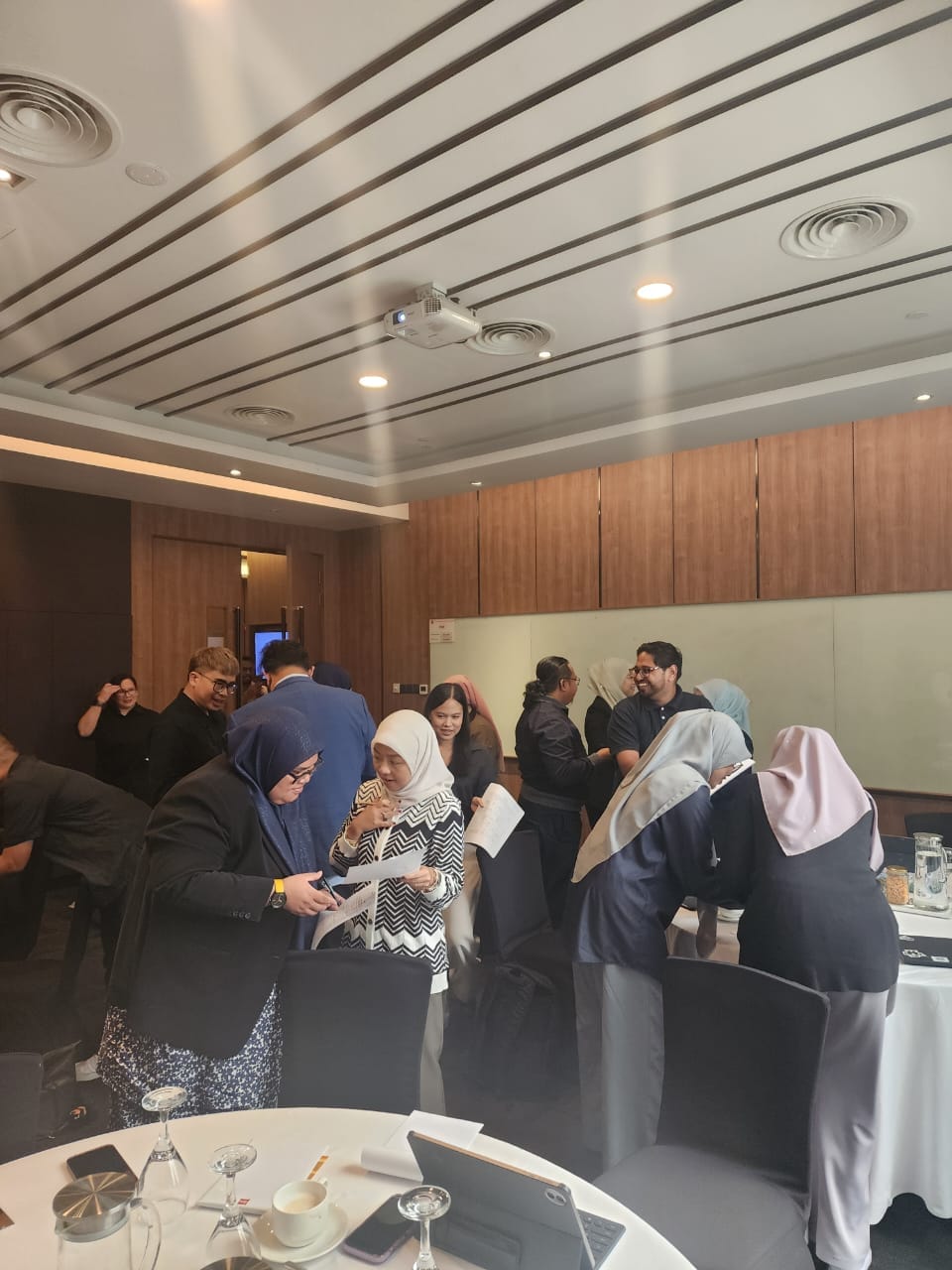
This was why the programme included a live media conference simulation. Participants were placed in a situation where they had to respond to journalists, manage difficult questions, maintain message discipline and communicate while under pressure.
The exercise highlighted an important difference between knowing what to do and being able to do it. Crisis communication competence is built through practice, not PowerPoint slides alone.
Simulations, mock interviews and scenario exercises expose weaknesses that may remain invisible in a written plan. They reveal whether responsibilities are clear, whether messages can withstand scrutiny, whether spokespersons are adequately prepared and whether the organisation can make communication decisions quickly when circumstances are changing.
When Communication Becomes a Leadership Function
Perhaps the most important lesson for communication practitioners is that during a serious crisis, communication moves beyond its traditional support role. It becomes part of strategic leadership.
The questions facing the communication team are no longer simply: What should we put in the statement?
They become:
- Who needs to hear from us first?
- What do our stakeholders need to know now?
- What information can we confirm?
- What should leadership say and who should say it?
- When should we communicate even if we do not yet have all the answers?
- How do we respond to misinformation?
- How will today’s communication decisions affect stakeholder trust tomorrow?
These are not merely media questions. They are leadership and strategic management questions.
This is precisely where communication practitioners demonstrate their strategic value, not merely as producers of messages, news releases or social media content, but as advisers helping leadership navigate uncertainty, stakeholder expectations and reputational risk.
For that to happen, however, communication must already have a place at the decision-making table before the crisis occurs.
It is difficult for communication practitioners to suddenly become strategic advisers in the middle of a crisis if they have previously been treated primarily as an execution function.
The Real Test of Crisis Preparedness
A crisis communication manual is important. Templates are important. Processes are important. But ultimately, people must have the confidence and judgement to use them when information is incomplete, pressure is mounting and stakeholders want answers.
That capability cannot be developed during the crisis itself. It has to be built beforehand through planning, training, simulations, leadership involvement and continuous review.
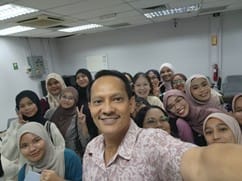
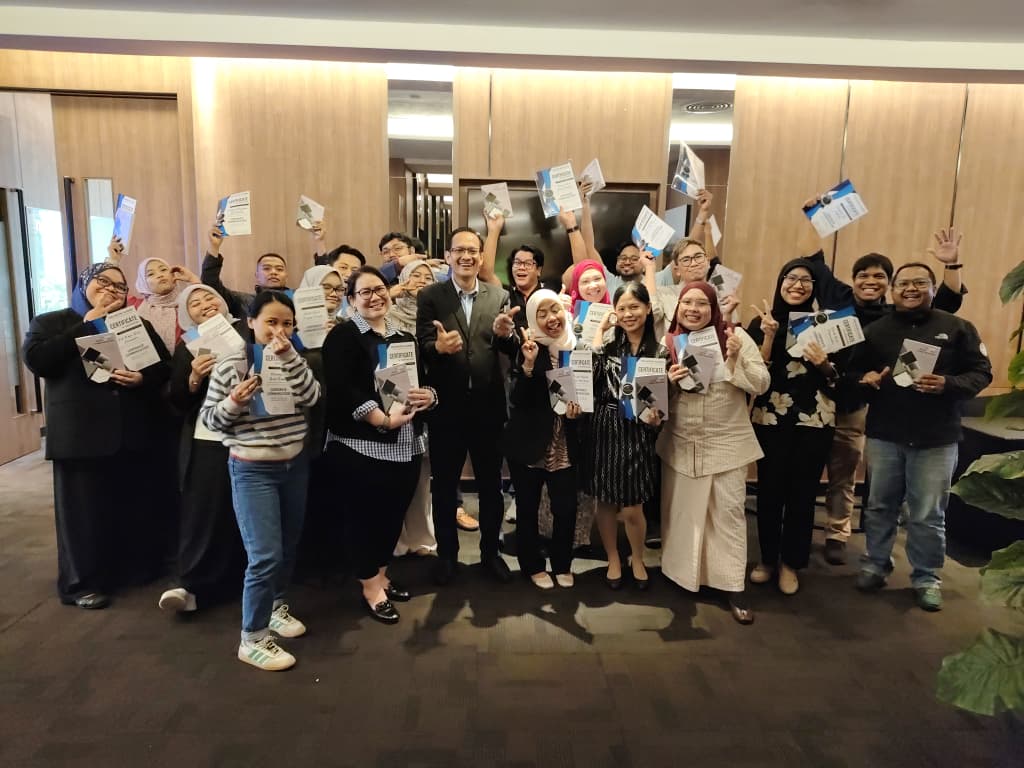
The strong engagement of the 30 communication professionals who participated in the programme reinforced this point. Their questions, experiences and willingness to challenge assumptions made the two days particularly valuable.
Our appreciation goes to all the participants, to Kamarul Bahrin Haron for bringing his invaluable media and editorial perspective into the programme, and to Apex Mastery Academy for organising the programme.
For organisations and communication practitioners, perhaps the most important question to ask is not:
It is:
The difference between those two questions may determine how effectively an organisation protects its most valuable asset when a crisis strikes — stakeholder trust.
White & Associates provides strategic communication consultancy, crisis communication advisory, training and media management programmes designed to strengthen organisational communication capability and preparedness.
Abdul Latiff Puteh