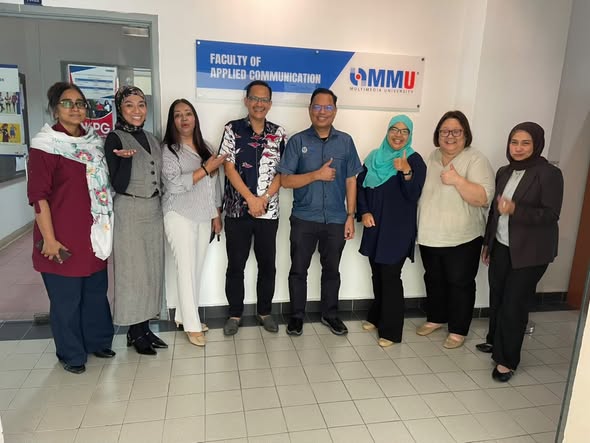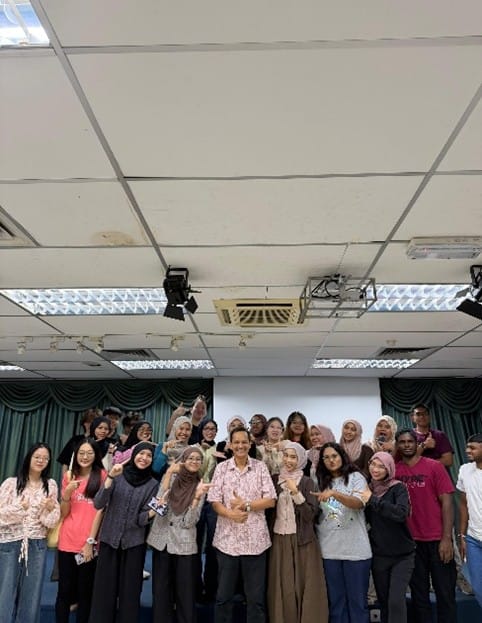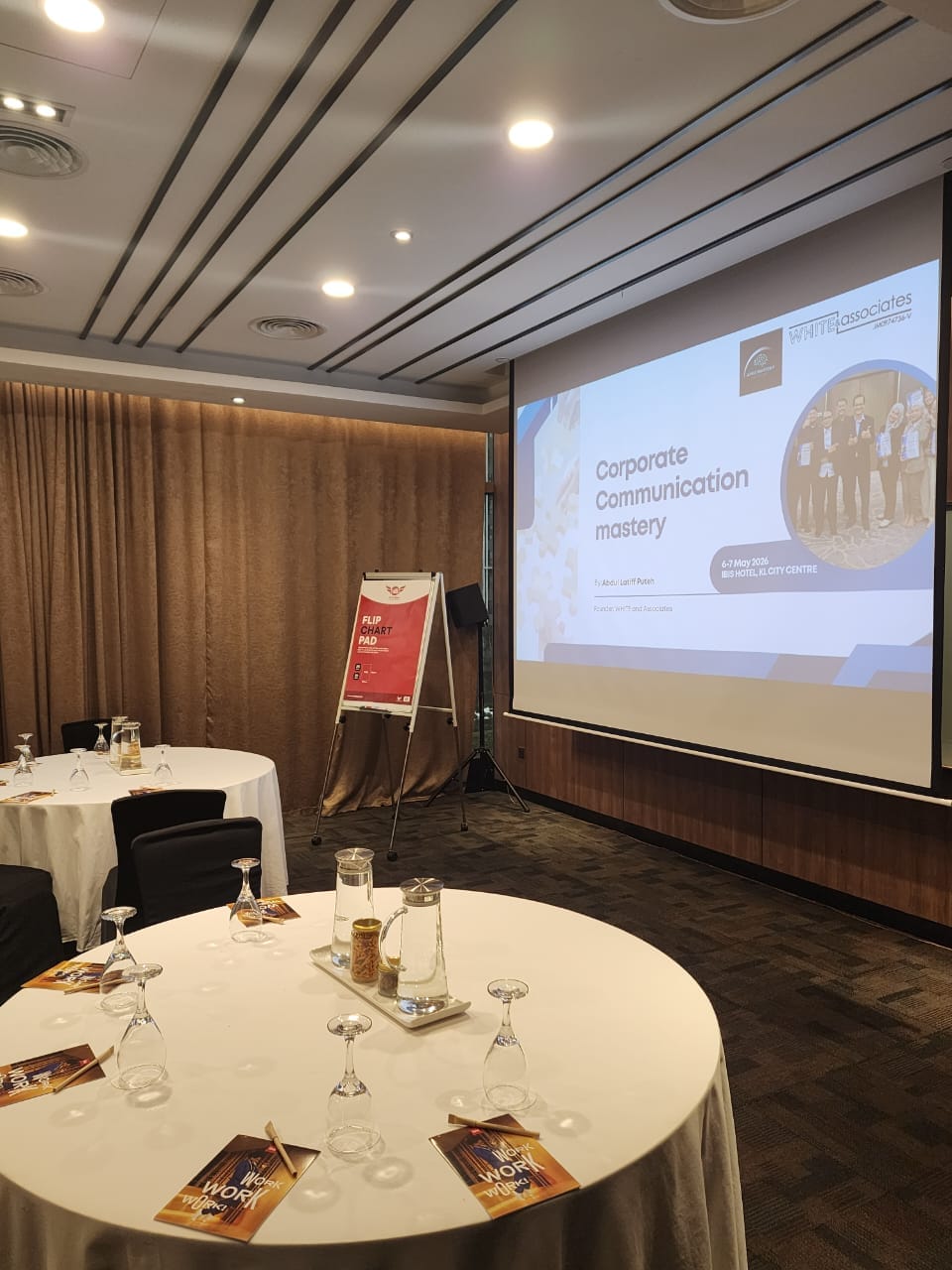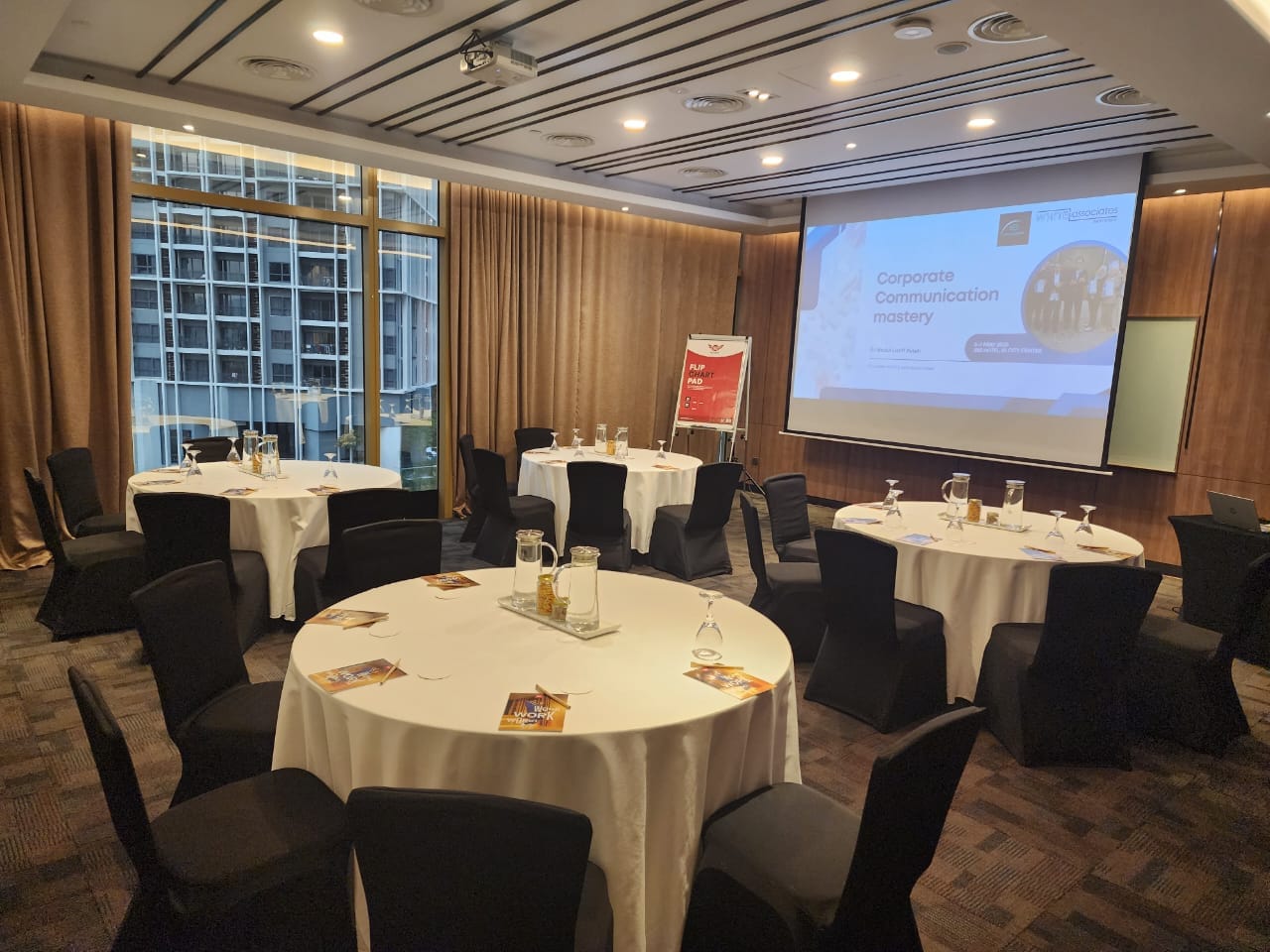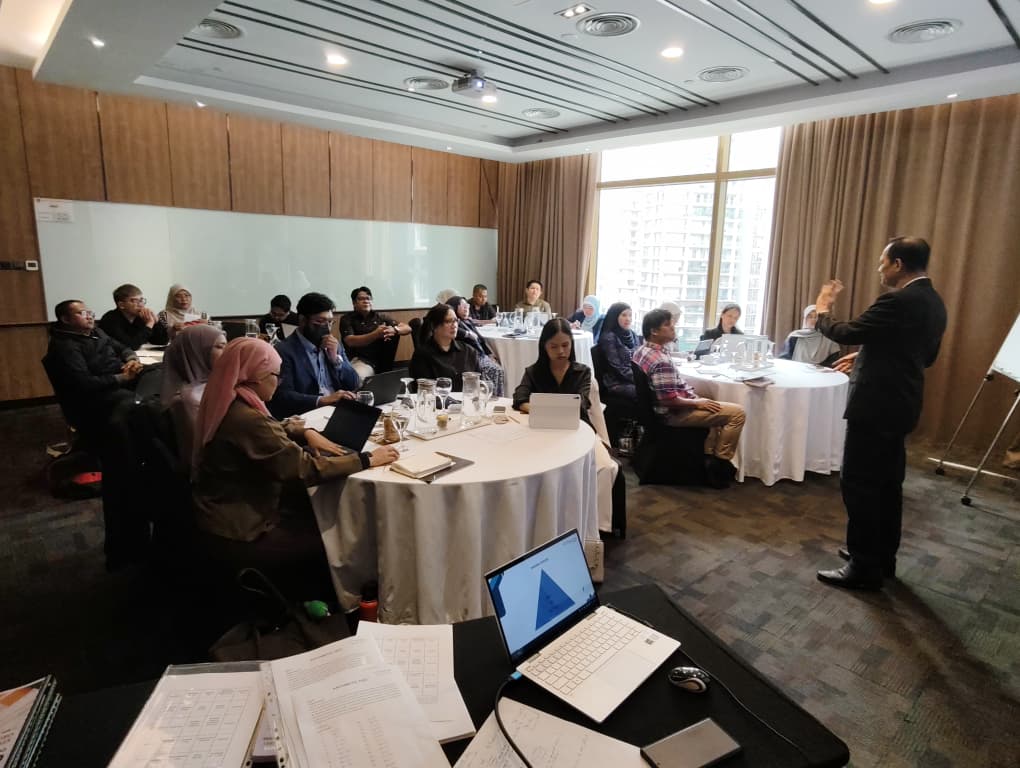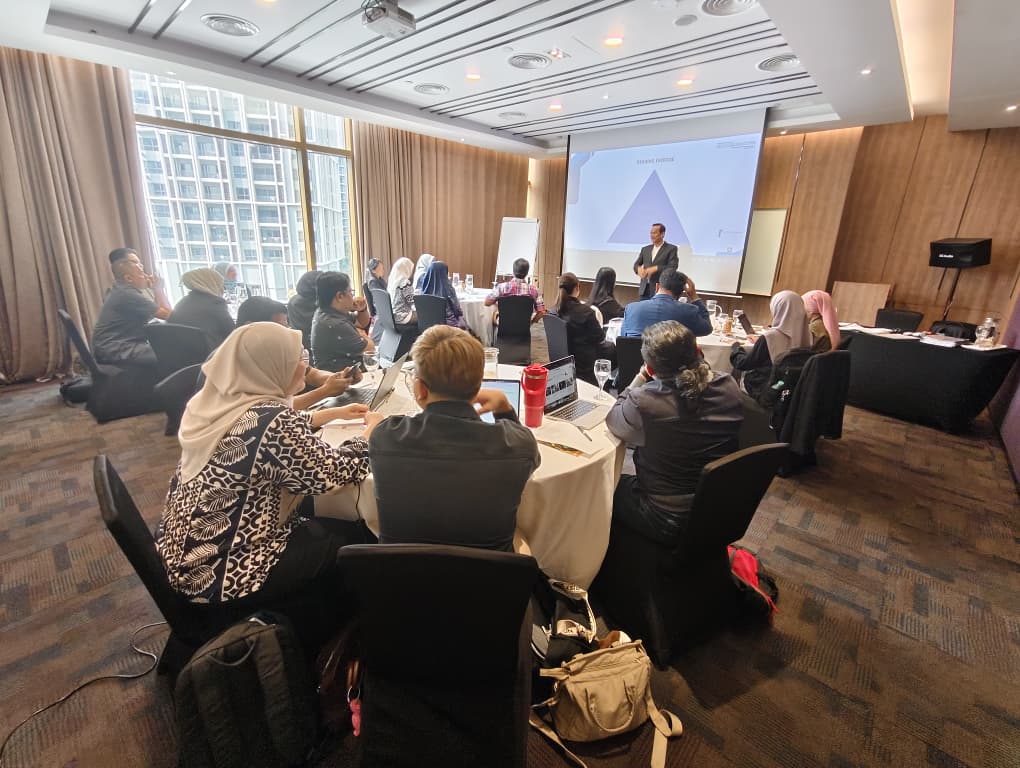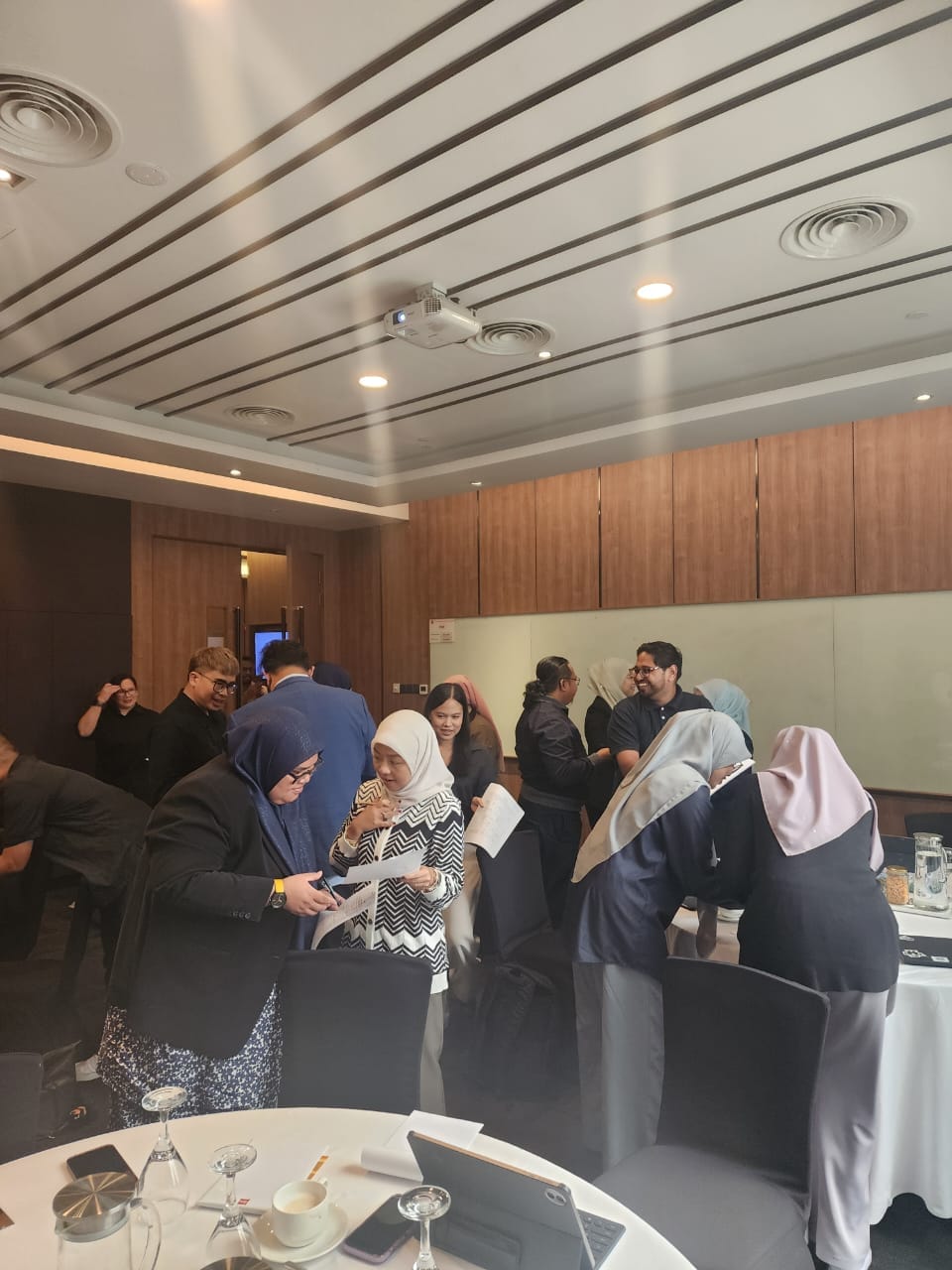

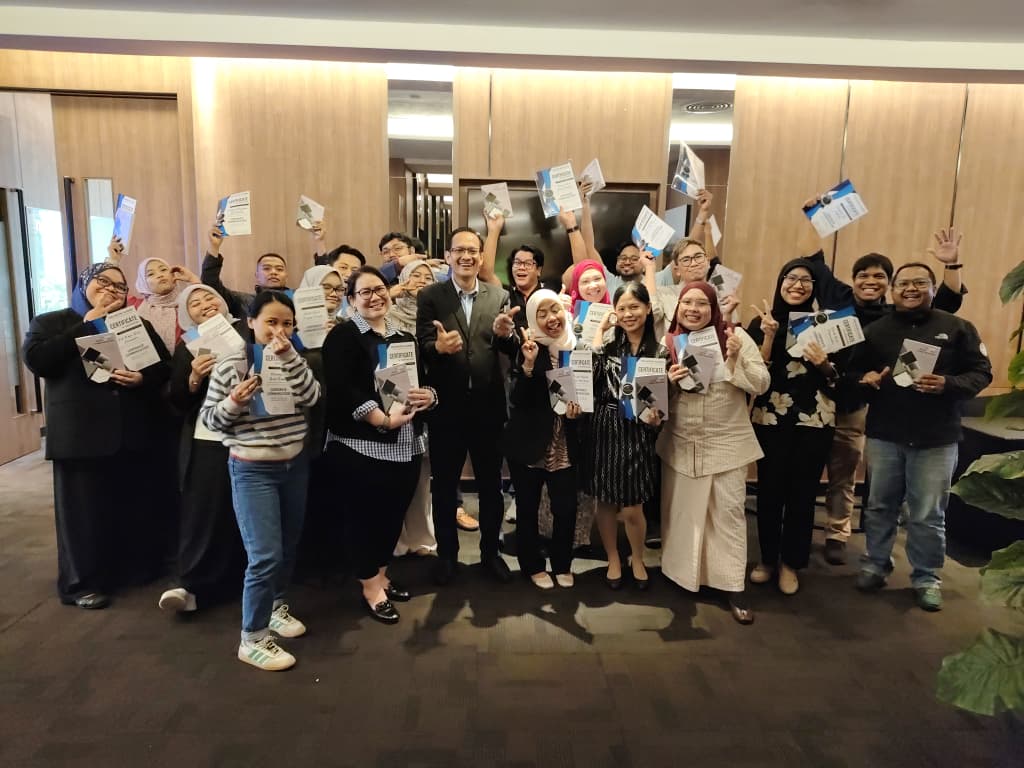
The 4th series of the Corporate Communication Mastery Programme conducted by our Founder concluded last week, bringing together 20 corporate communication professionals from diverse industries for two intensive and highly engaging days of learning, discussion, and practical sharing.
From Support Role to Strategic Function: Rethinking Corporate Communication
The 4th series of the Corporate Communication Mastery Programme conducted by our Founder concluded last week, bringing together 20 corporate communication professionals from diverse industries for two intensive and highly engaging days of learning, discussion, and practical sharing.
Throughout the programme, we explored critical areas that continue to shape the future of corporate communication, including:
- Building influence and attaining a seat within the dominant coalition of management
- Aligning communication strategies with organisational goals and business direction
- Using strategic planning to create measurable communication impact
- Managing stakeholders, media relations, and crisis communication effectively
- Developing relevant, audience-driven content
- Leveraging digital platforms and AI in communication practices
One of the most valuable aspects of the programme was the diversity of perspectives in the room. We were particularly fortunate to have a practicing journalist among the participants.
The interactions created meaningful conversations on how the media perceives PR practitioners, while at the same time allowing the journalist to better understand the realities, pressures, and strategic responsibilities of communication professionals operating within corporate environments. These exchanges reminded us that stronger understanding between both sides ultimately contributes to healthier communication ecosystems.
Communication as a Strategic Function
A notable observation emerged during the programme. It was the common practice of organisations placing individuals without communication or PR backgrounds to lead communication functions.
While this reality is not new and, to a certain extent, accepted, organisations must recognise that communication today is no longer merely administrative or supportive in nature. It is strategic, reputational, and business-critical.
Those practicing without communication or PR backgrounds normally rely on past practices or experiences in strategising, planning, and executing PR efforts. Without proper exposure, training, mentoring, and strategic understanding, communication departments risk being confined to operational support roles instead of functioning as strategic advisors to management.
To truly contribute to organisational growth and reputation, communication leaders must be continuously equipped with the right competencies, business understanding, and strategic communication capabilities.
Crisis Preparedness Requires More Than SOPs
Another major concern highlighted during the programme was crisis preparedness.
Many organisations still rely heavily on standard operating procedures (SOPs) when managing crises. While SOPs are important, they are only one part of the equation. SOPs explain processes. Crisis management, however, requires much more than procedural responses.
Effective crisis communication demands strategic thinking, scenario planning, stakeholder mapping, decision-making frameworks, media handling capabilities, message discipline, and leadership alignment under pressure.
Unfortunately, many organisations still do not have comprehensive crisis communication manuals or structured crisis frameworks to guide them when reputational risks escalate. A crisis is not merely an operational disruption. It is a test of leadership, trust, preparedness, and communication capability.
Thank you to all participants for contributing to the openness, honesty, and depth of discussion throughout the programme. The conversations reaffirmed one important reality — corporate communication can no longer function as a peripheral role. It must evolve as a strategic management function that directly contributes to organisational resilience, stakeholder trust, and long-term sustainability.
A word of appreciation to Apex Mastery Academy for making this programme possible. We look forward to a continuous and beneficial relationship.
Abdul Latiff Puteh